Compare Trees
| White Oak | American Beech | |
|---|---|---|
| Remove from the list | Remove | Remove |
Image(s)
|
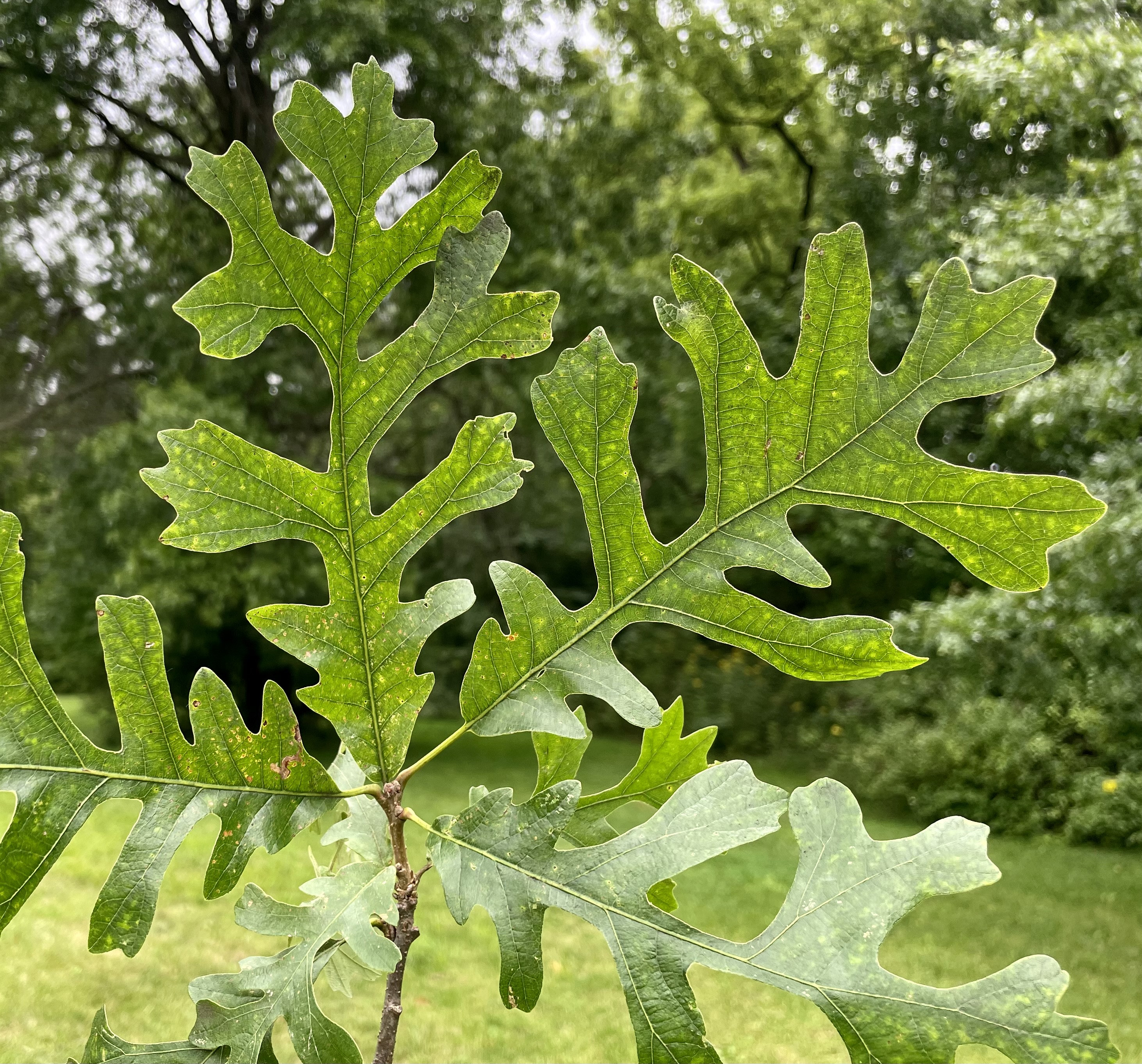
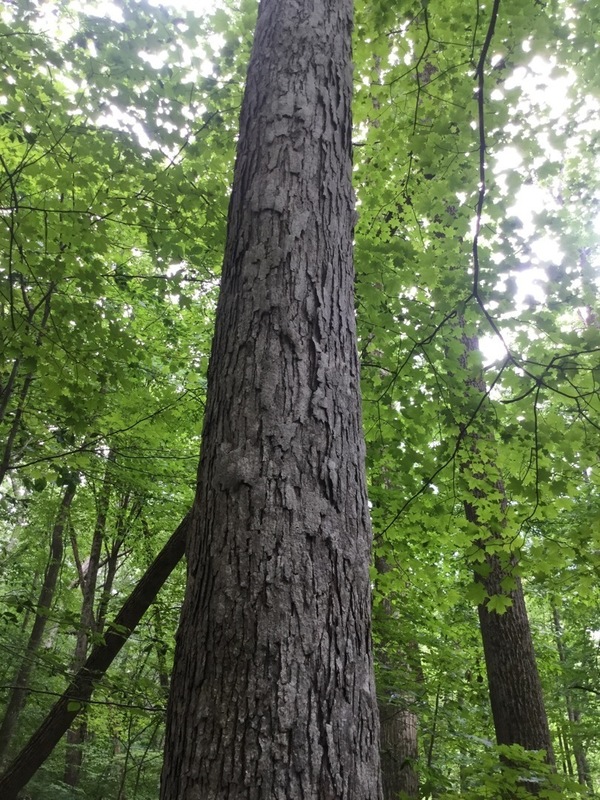
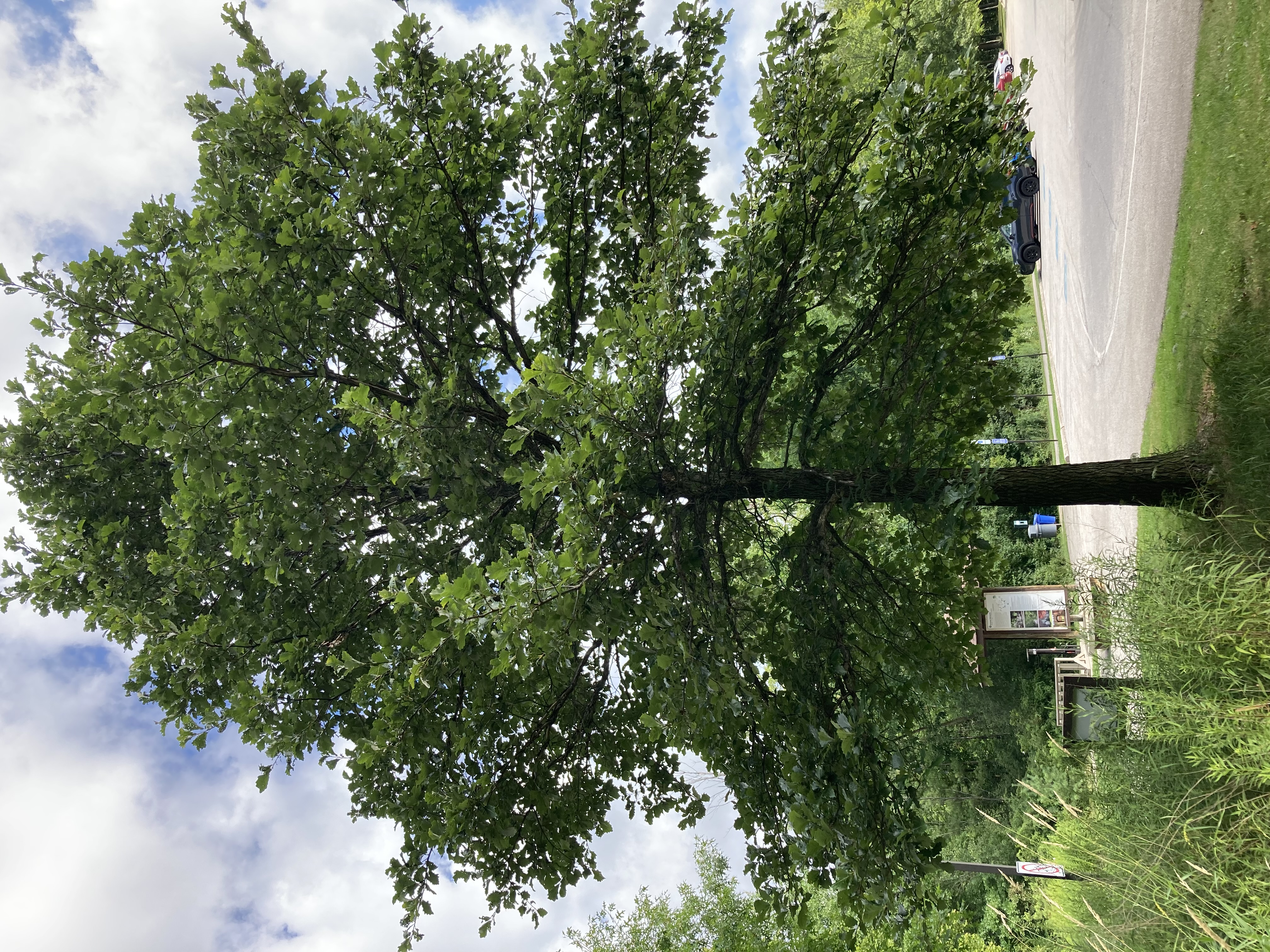
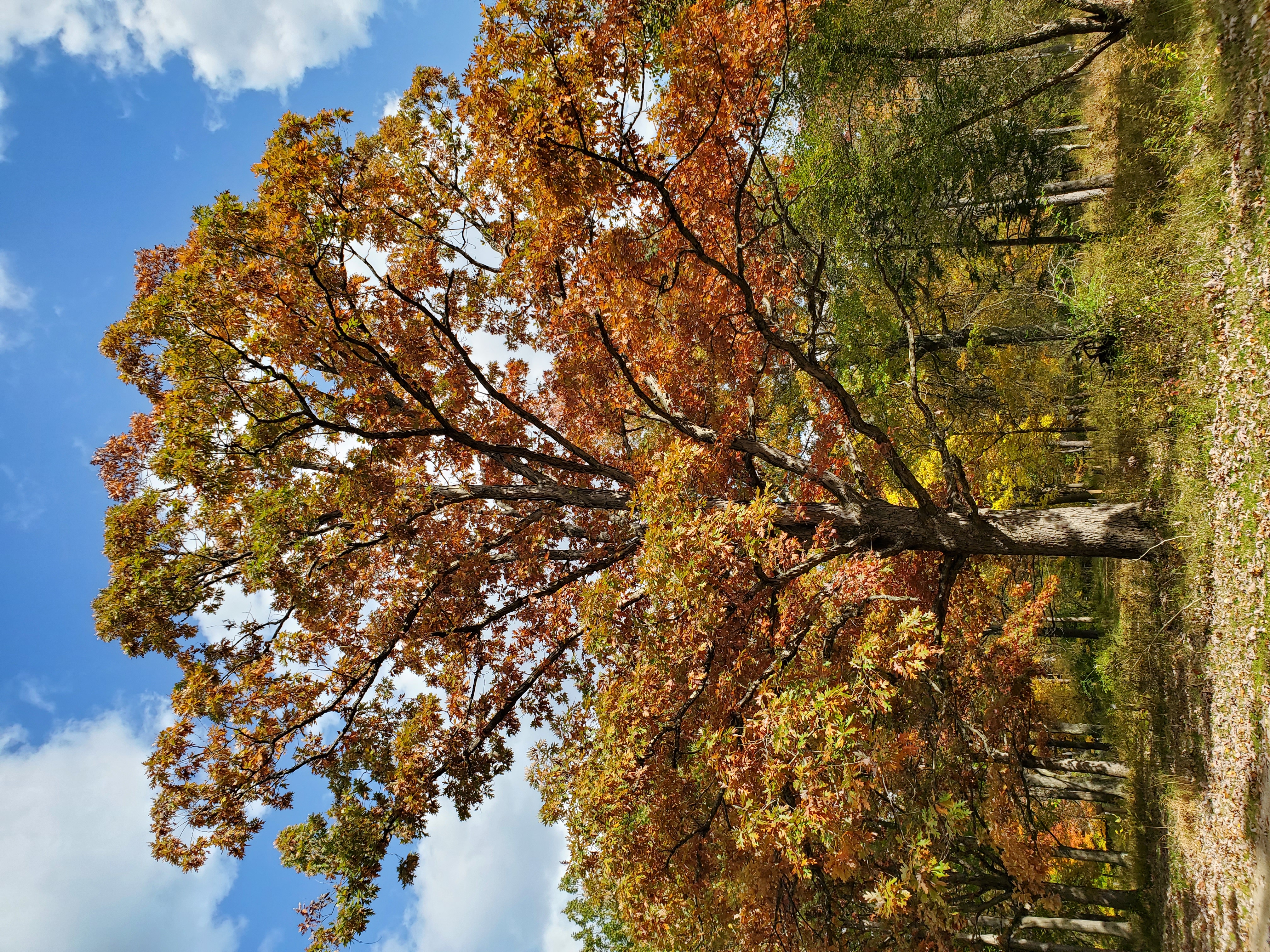
|
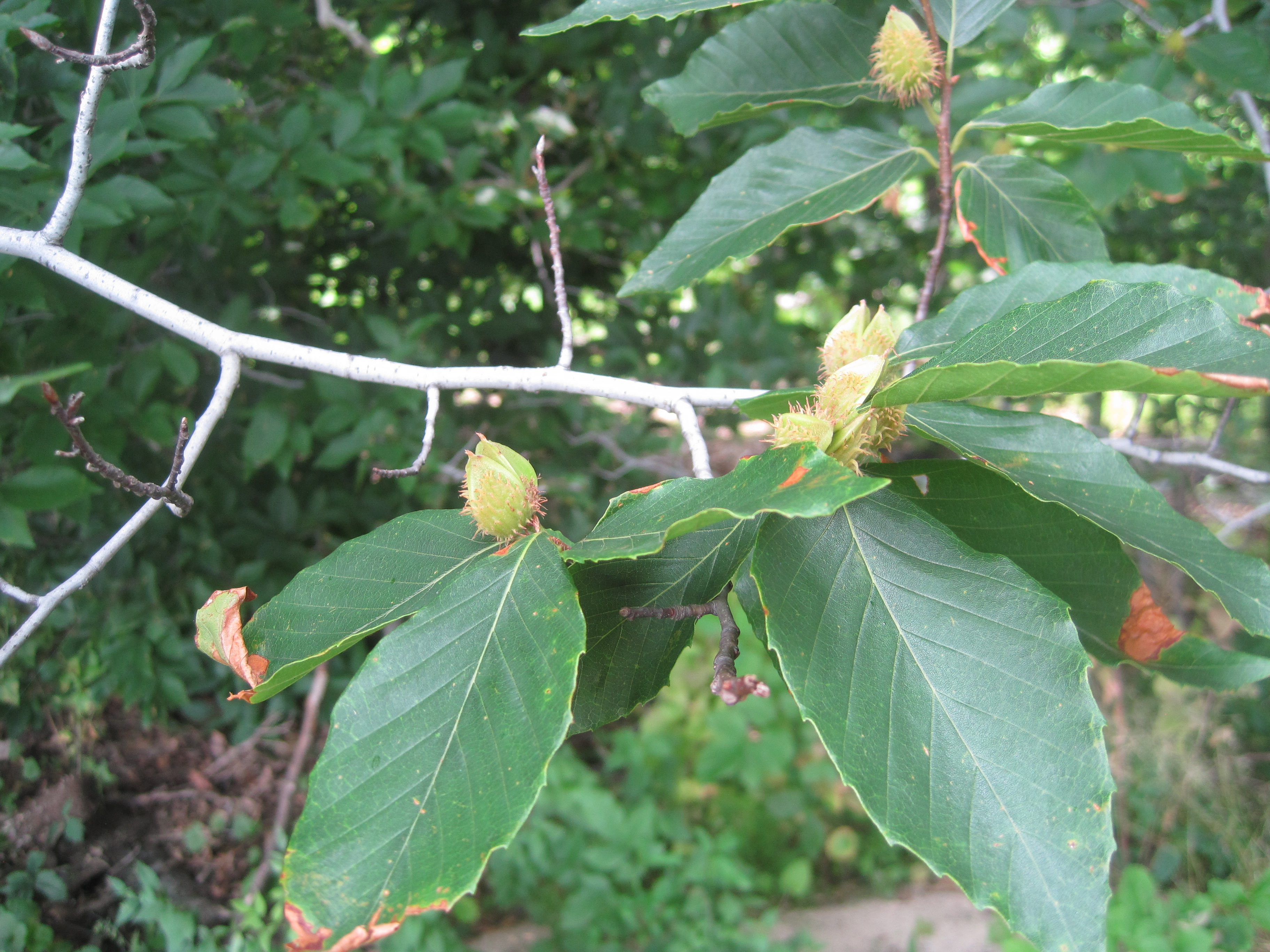
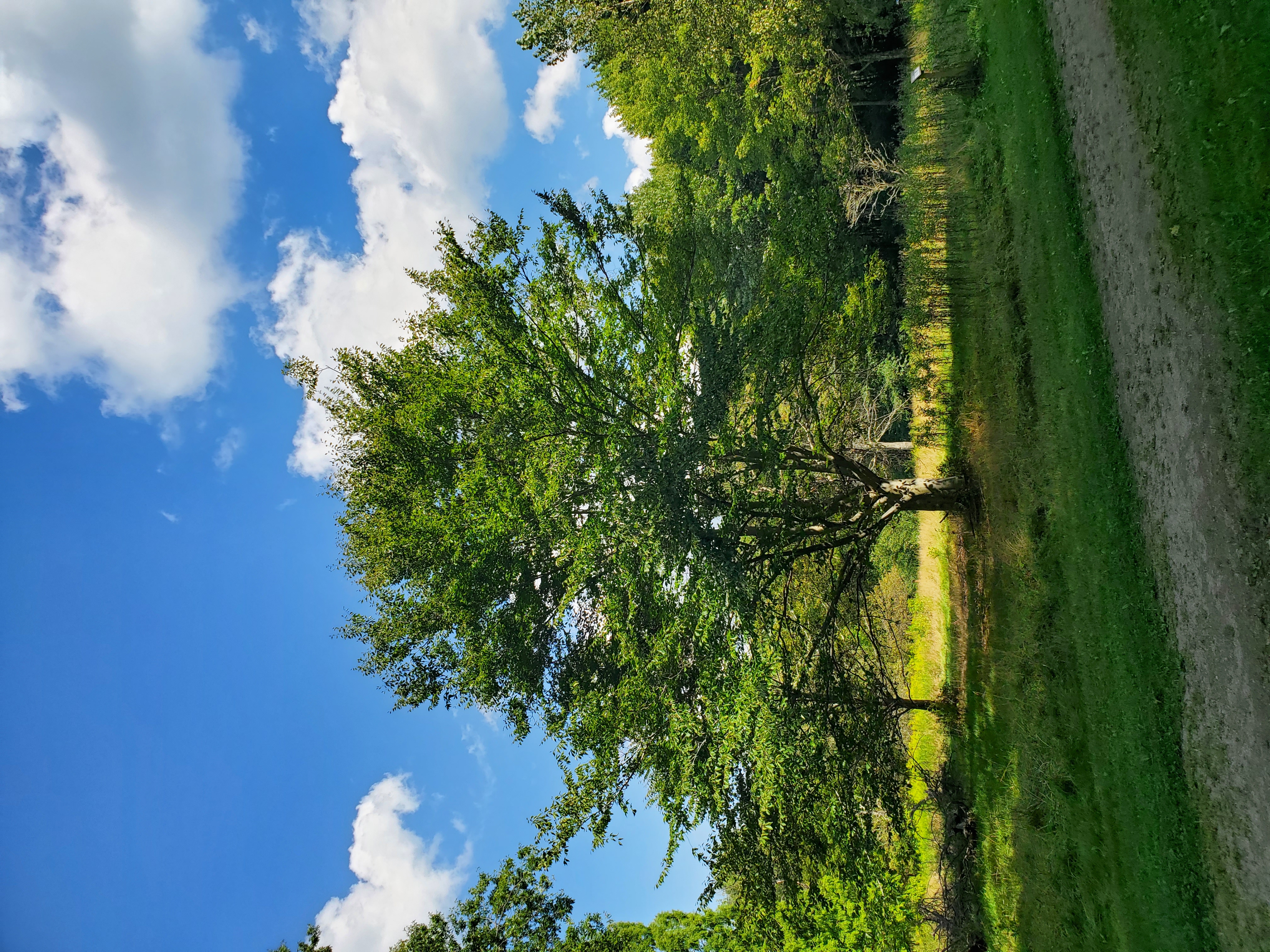
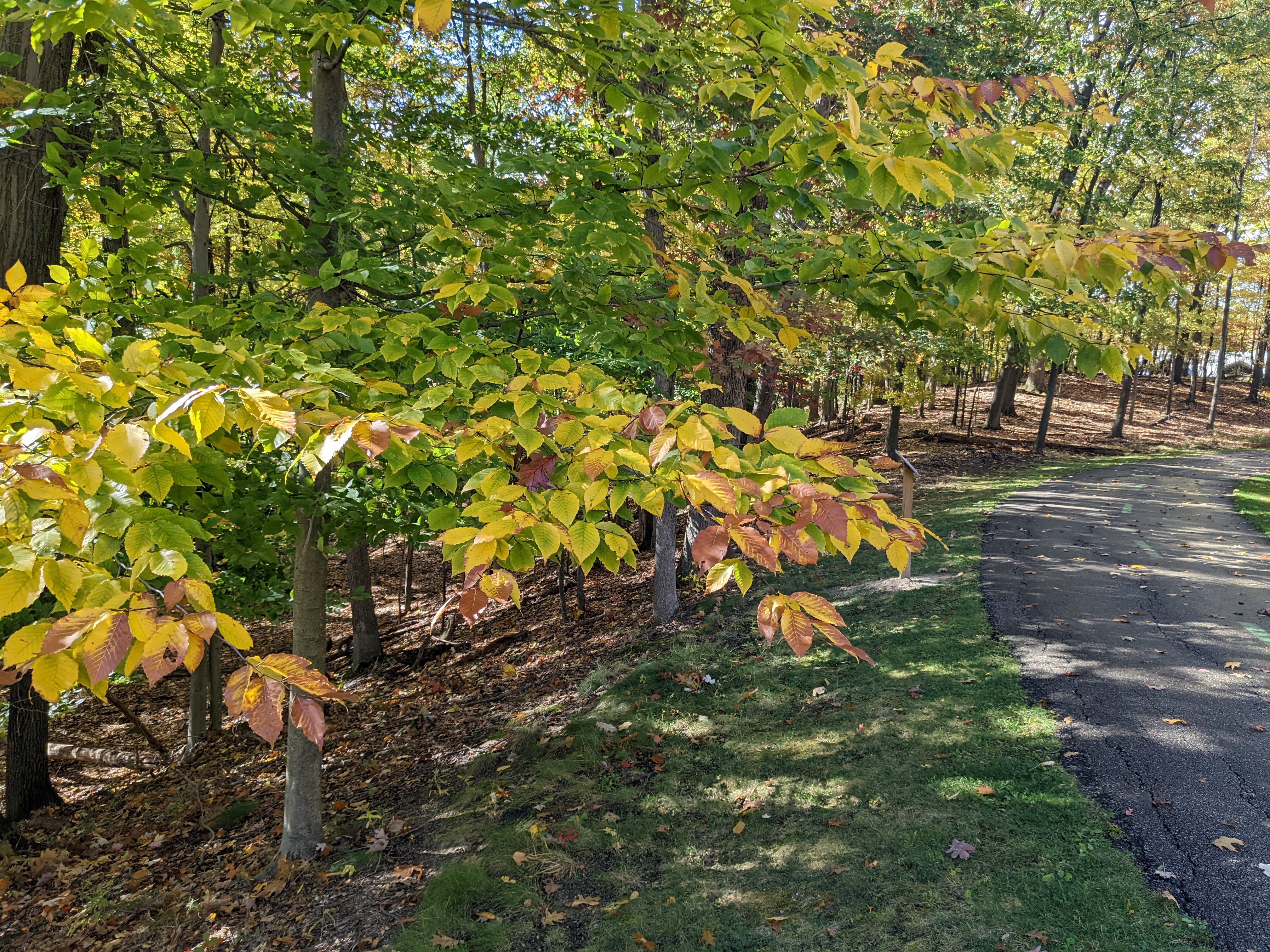
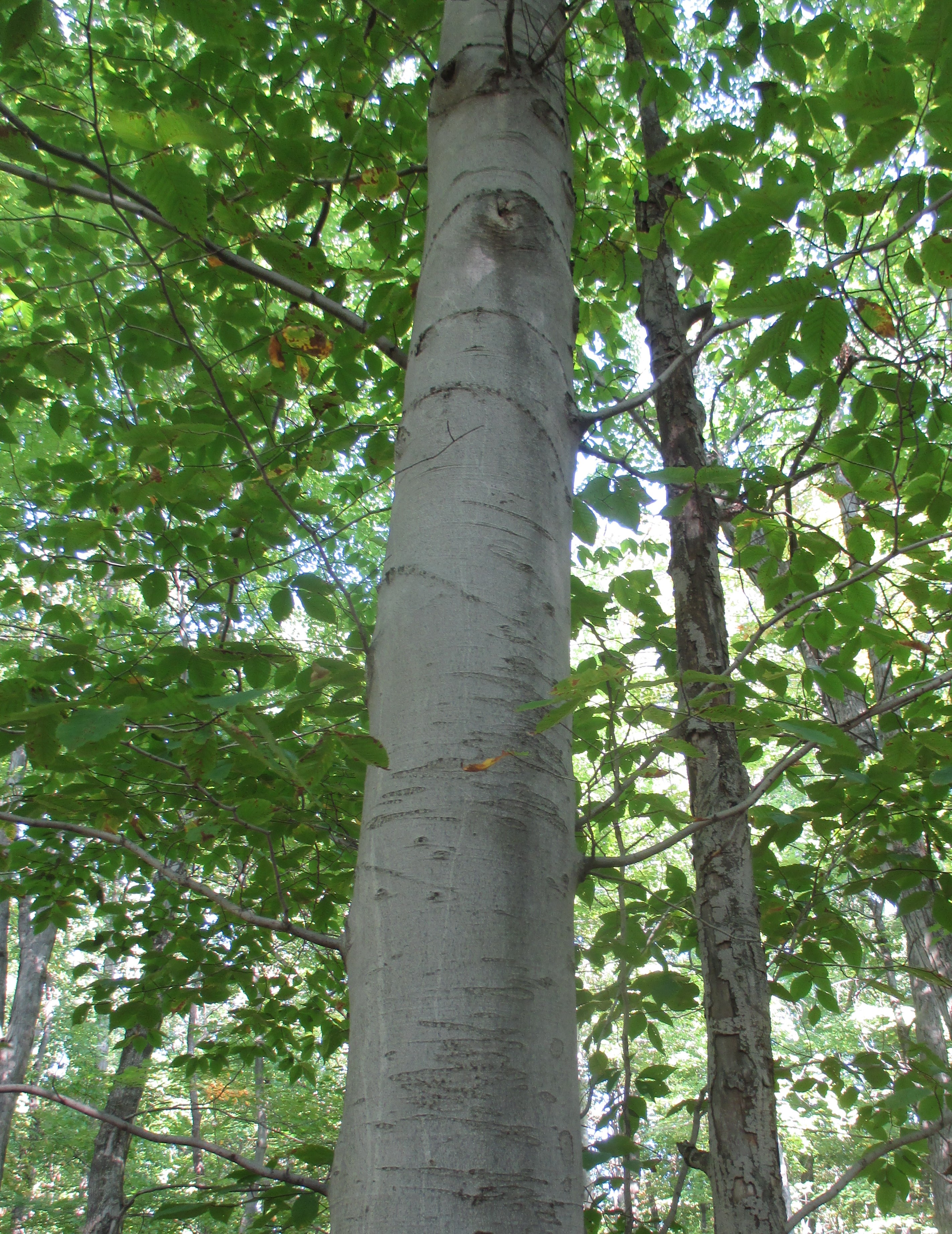
|
Scientific Name
|
Quercus alba
|
Fagus grandifolia
|
Family
|
Fagaceae
|
Fagaceae
|
Species Description
|
Grows in a wide range of habitats. One of the best oaks for fall foliage color. Acorn production during mast years can be messy to maintain.Oak wilt in the region is spreading and is of special concern when considering planting this species.
|
Beech leaf disease and beech bark disease presence makes this a less suitable species to plant. Prefers soil with humus/organic material. Produces root suckers. Sensitive to construction stress.
|
Climate Tolerance
|
Very Good
|
Poor
|
Plant Hardiness Zones
|
3 to 9
|
3 to 9
|
Wildlife Benefits
|
Acorns food source for birds, mammals; moth/butterfly host; cavity nesting site; bat roosting site; insect host, attracts woodpeckers
|
Nuts food source for birds, mammals; cavity nesting site
|
# Butterfly/Moths that use as host
|
477
|
126
|
Pollination Type
|
Wind
|
Wind
|
Bloom Time
|
Spring (Mar-May)
|
Spring (Apr-May)
|

Shade/Sun Tolerance
|

Full Sun to Shade
|
Part Shade to Shade
|
Bloom Color
|
Green
Red
Yellow
|
Brown
Green
Yellow
|

Maximum Height
|

Large (75-100 ft)
|
Medium (40-75 ft)
|
Form
|
Tree
|
Tree
|
Growth Rate
|
Slow
|
Slow
|

Lifespan
|

Long (>200 yrs)
|
Long (>200 yrs)
|

Soil Type
|

Clay
Loam
Silt
|
Loam
Silt
|
Soil pH
|
Circumneutral (pH 6.8-7.2)
|
Acidic (pH<6.8)
|
Soil Moisture Tolerance
|
Moist - Dry
|
Moist
|
Wetland Indicator Status
|
FACU
|
FACU
|
Root - Fungal Association
|
Ectomycorrhizae
|
Ectomycorrhizae
|
Soil Compaction Tolerance
|
Tolerant
|
Sensitive
|
Pest & Pathogen Risks
|
Medium; Oak wilt (less susceptible than red oak group)
|
High; Beech bark disease, beech leaf disease
|
Heat Tolerance
|
Tolerant
|
Sensitive
|

Urban Stress Tolerance
|

Low
|
Low
|
Salt Tolerant
|
Tolerant to Salt in Soil
|
Sensitive
|
Drought Tolerance
|
Tolerant
|
Tolerant
|
Native County Status
|
Cuyahoga
Geauga
Lake
Lorain
Medina
Portage
Summit
|
Cuyahoga
Geauga
Lake
Lorain
Medina
Portage
Summit
|
Coefficient of Conservatism
|
6
|
7
|
IUCN Red List Assessment
|
Least Concern
|
Least Concern
|
Native Status
|
OH-Native
|
OH-Native
|
NatureServe G-rank
|
G5
|
G5
|
| Plant Community Type |
|
|